How Nigeria’s 2027 Presidential Election Became A Political Circus
If you believe there is an upset coming in Nigeria’s next presidential election, then you must have started following Nigerian politics yesterday. There is nothing particularly surprising about what is unfolding. In fact, the more things change, the more they remain the same.
The last time I expressed genuine optimism about Nigerian politics was in 2015, when the late President Muhammadu Buhari defeated the incumbent, President Goodluck Ebele Jonathan. I truly believed Nigeria was going to change. A few years later, Buhari’s performance turned Jonathan into a hall-of-famer in the eyes of some Nigerians. With Buhari, I thought Nigeria had reached its lowest point. Then the presidency of Asiwaju Bola Ahmed Tinubu happened.
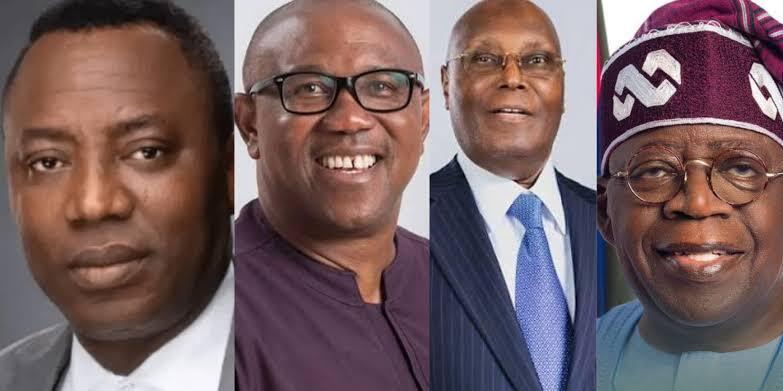
After witnessing Tinubu’s years in office, I have concluded that he has nothing new to offer. I support a change of leadership, although I am not convinced it will happen. The frontline opposition candidates, Atiku Abubakar and Peter Obi, appear to have helped Tinubu win the last election by going their separate ways. Tinubu eventually became president with fewer votes than any previous winner of Nigeria’s Fourth Republic presidential elections.
Interestingly, one might have thought Atiku and Obi had learned from their mistakes over the last three years. But they appear to have learned nothing and are ready to build on their past mistakes. They want to miraculously achieve a different result using the same failed strategy.
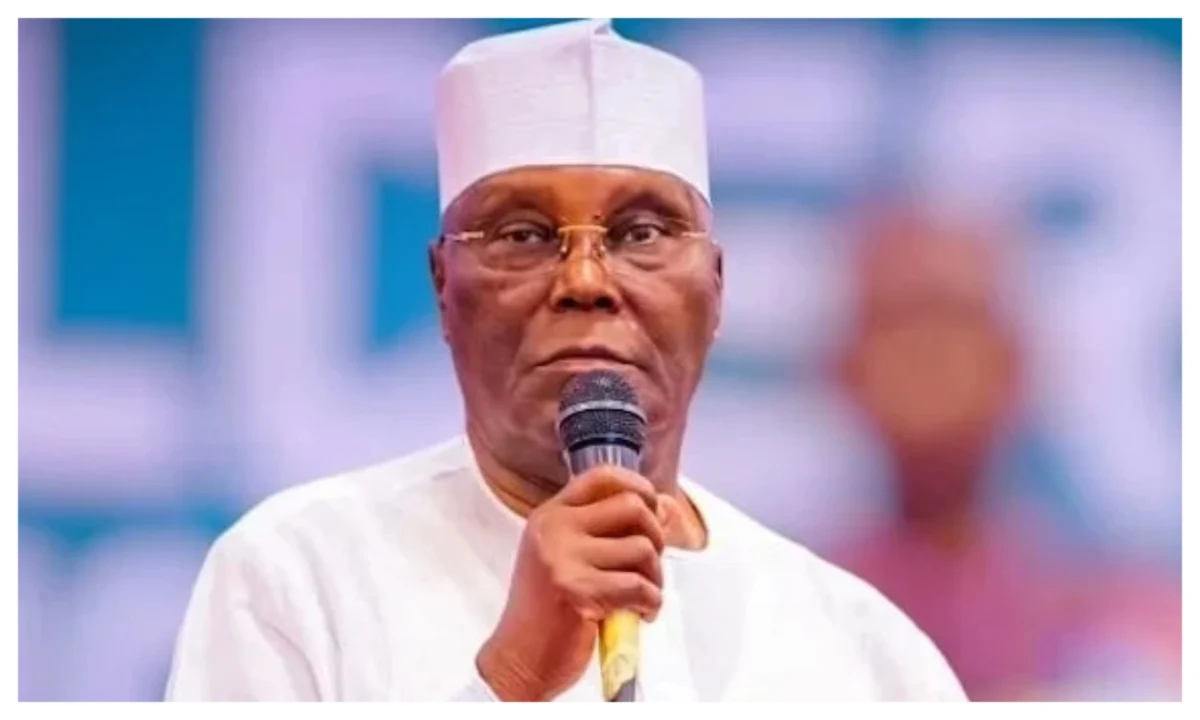
Atiku appears to have run out of effective campaign strategies. He is shifting his position on the controversial removal of fuel subsidies, seemingly to curry public support. He also appears to be hoping that the FBI will do him a favour by releasing information about Tinubu’s alleged criminal history.
He has resorted to verbal attacks against Tinubu, referring to him as a 90-year-old man, as against his official age of 74. He claims he has documents to prove it in court. On the other hand, Paul Ibe, his media adviser, said he will be referring to Tinubu as ‘Amoda’ instead of Bola. This reignites long-standing identity and name controversies about the president.
All these are not new. Such rumours and controversies have followed Tinubu for years. The bigger question is whether they will make any difference. Many Nigerians who want him out of office are more concerned about the state of the economy and their daily struggles than the controversies surrounding his identity.
Obi, on the other hand, appears to have lost some of the intellectual sharpness and strategic clarity that endeared him to many supporters. He continues to maintain that he won the last election, a claim that remains disputed. He has also spoken about vacationing in Zamfara and other parts of Nigeria affected by insecurity. Meanwhile, he continues to cite economic figures from Asian countries to impress potential voters.
Tinubu, meanwhile, must be looking at the political landscape with some satisfaction. Reports of widespread support for his re-election bid among state governors suggest that his political machinery could be formidable. His campaign team does not appear to be under much pressure. They can simply wait for Atiku and Obi to speak before issuing rebuttals. They do not always seem particularly concerned about selling Tinubu’s achievements to Nigerians.
Even when his supporters attempt to do so, the claims can be laughable. One supporter, for instance, claimed that unemployment in Nigeria had dropped to 5% under Tinubu. Five per cent? One of the lowest unemployment rates in the world? Wow!
Tinubu does not appear keen on enduring the physical demands of a conventional nationwide campaign tour. He has indicated that he will not be touring the country as some might expect. Perhaps he will sit comfortably at the Aso Rock Villa and watch events unfold on television.
Meanwhile, his administration is offering a ‘discount’ on fuel prices for 30 days. At this point, the government sometimes seems to operate like a private company, with Nigerians as its customers. The difference is that these customers cannot simply take their business elsewhere.
The incumbent Governor of Oyo State, Seyi Makinde, has also joined the presidential race, seemingly determined to make his presence felt nationally. Whether he can translate that ambition into meaningful electoral support, even in his home state, remains to be seen. For now, he is another political actor competing for the headlines.
Then we have Omoyele Sowore, the leader of the African Action Congress (AAC), one of the colourful characters in this circus of a presidential election. Sowore has promised to introduce drone taxis for public transportation within his first four years in office to ease traffic congestion in major urban centres such as Lagos, with deployment reportedly targeted for 2030. He has also proposed using artificial intelligence in governance, including the idea of an “AI Minister of Finance”, to eliminate human corruption, waste and financial manipulation in public administration. It is good to have a Nigerian Elon Musk in our midst!
Sowore has also pledged to introduce a ₦500,000 monthly minimum wage for Nigerian workers if elected president. That would represent a significant increase from the current ₦70,000 national minimum wage. While poverty-stricken Nigerians would certainly welcome a substantial increase in their earnings, the question is whether they believe Sowore has the political machinery and economic plan to deliver on such promises. For many, he still comes across more as a content creator than a serious contender for the presidency.
The support group of the Accord Party Presidential candidate, Dr Gbenga Olawepo-Hashim, has boasted about racking up 6 million votes for him across Nigeria’s North-West region in the 2027 general election. We all know INEC might not bother to collate Hashim’s votes on election day for obvious reasons. The jokes just never end.
Tinubu has also announced his campaign committee. But what novel ideas or strategies should Nigerians expect? Beyond the familiar distribution of bread, rice and petty cash that often accompanies election campaigns, it is difficult to see what will be different this time around.
All these politicians are beating their chests like WWE fighters, convinced they can unseat Tinubu despite the challenges of building the political structures required to win a national election. They parade themselves like thespians on a stage, while their followers cheer them on and applaud every performance. Then, 24 hours after the election on January 16, 2027, the comedy show will be over, and everyone will have to face reality.
The 2027 presidential election is already shaping up to be a circus, with its political actors playing the roles of colourful clowns. The tragedy is that, while the performers may be having fun, the consequences of their performance will be borne by millions of Nigerians.



Post Comment