Naira Falls As Christmas And Election Spending Rise
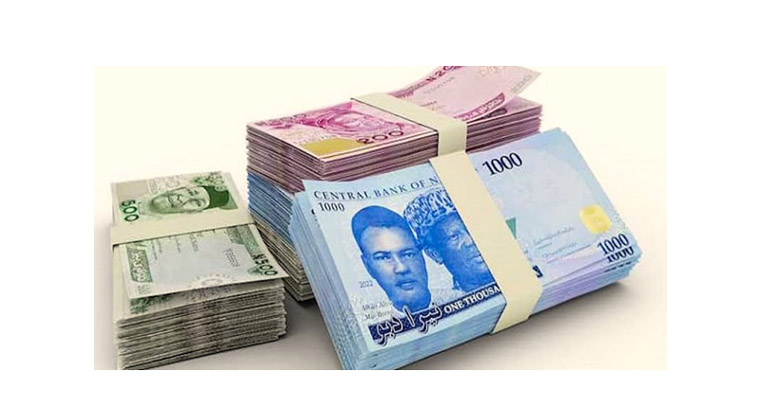
The approaching 2027 general elections and the Christmas season are adding pressure to the naira, with the currency depreciating to N1,394/$ at the official market on Friday and N1,460/$ at the parallel market on Sunday.
The naira lost N6 at the official market on Friday, extending its depreciation streak after weakening by N8.01 on Thursday to N1,388/$ from N1,379.99/$ recorded on Wednesday.
On Wednesday, the currency had depreciated by N16.99 to N1,379.99/$ from N1,363/$ on Tuesday, highlighting renewed pressure in the official foreign exchange market.
At the parallel market, the naira traded at N1,440/$ on Thursday, compared with N1,375/$ a month earlier, while some currency traders said they were willing to offer lower rates to buyers purchasing large volumes.
However, currency demand has intensified in recent weeks, with traders attributing part of the pressure to political spending ahead of the 2027 elections and increased foreign exchange needs during the festive season.
A parallel market trader in Abuja, Haruna Ibrahim, said some customers were purchasing dollars on behalf of politicians preparing for the elections
There are people we see here who say they are politicians. They come here to buy dollars, claiming that they were sent by their bosses. I do not know which parties they belong, but they come here regularly,” he said
Another Bureau de change trader in Lagos, who identified himself simply as Ahmed, said traders in Zone 5 believed political activities were contributing to increased demand for dollars, as politicians sought to accumulate foreign currency ahead of the elections.
Speaking in a phone interview with Our Correspondent, the Chief Executive Officer of the Centre for Promotion of Private Enterprise, Dr Muda Yusuf, said domestic factors could be contributing to the successive decline of the naira against the dollar.
The economist identified political spending, capital flight and policy uncertainty as possible factors behind the weakening currency and declining foreign reserves.Related
He said political spending could inject liquidity into the economy and put pressure on the naira, noting that the Central Bank of Nigeria had previously raised concerns about the impact of political activities on exchange rate stability.
“The political spending liquidity may be already putting pressure on the naira. The CBN had expressed that fear before during the latest Monetary Policy Committee meeting,” Yusuf said.
He argued that foreign exchange demand associated with political activities could be channelled through the parallel market because such transactions might not be formally documented or conducted through official channels.
Yusuf also warned that political uncertainty and statements by some politicians about reversing the economic reforms of the President Bola Tinubu administration could trigger capital flight
An emerging markets expert and economist, Ike Ibeabuchi, attributed the weakening naira and declining reserves to reduced dollar supply and rising demand for foreign exchange.
He said lower inflows from exporters, investors and other sources might be reducing dollar availability in the market, while demand for foreign currency to finance imports and international transactions continued to exert pressure on the naira.
“Lower foreign exchange inflows from exporters, investors and other sources reduce dollar supply in the market, while demand for foreign currency for imports, international payments and other transactions continues to exert pressure on the naira,” Ibeabuchi said.
He said the festive season typically increases demand for foreign exchange, while the influence of election-related spending on the currency could be greater than initially anticipated.
The combination of higher seasonal demand, political spending and weaker dollar inflows could further test the naira’s stability as the country approaches the 2027 elections.
Meanwhile, the reserves stood at $54.65bn on Friday, shedding $60.630m from Thursday’s $54.713bn.






Post Comment